5 Things I’d Tell a New CFO Stepping into 2026
How AI, OpEx volatility, and speed are redefining Financial Leadership Stepping into a CFO role in 2026 isn’t just about managing the numbers — it’s about managing uncertainty at machine speed. AI has changed how spend is created, consumed, and justified. Traditional forecasting models are under pressure, and Finance teams are being asked to provide clarity in environments that are anything but predictable.
If I were advising a new CFO today, here are five things I’d focus on immediately.

1. Accept That OpEx Is Now Dynamic — and Plan for It
What’s Changed: AI has pushed more spend into OpEx, often tied to consumption, usage, or outcomes rather than historic fixed known-cost contract model. Technology providers will change their pricing models, fundamentally impacting the way you will budget and plan.
What This Means for CFOs: Static budgets and linear forecasts struggle in a world where costs fluctuate based on activity. Waiting for perfect predictability will only slow decision-making.
Advice: Shift from trying to eliminate variability to managing it intelligently. Focus on visibility, thresholds, and scenario planning — not false precision. Engage with your business leaders to build out impact scenarios and “what-if” models.
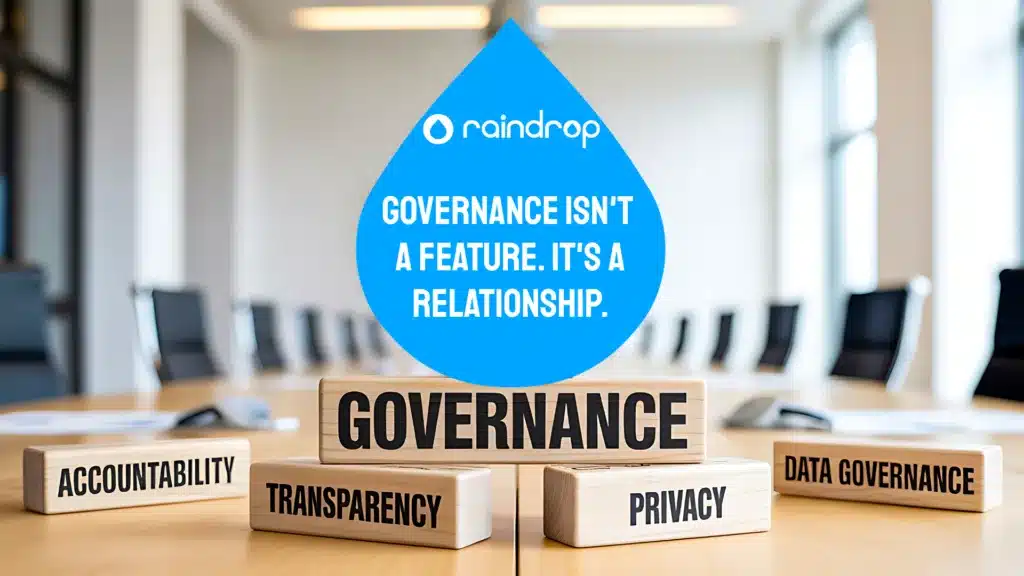
2. Treat AI Spend as a Governance Problem, Not a Technology Problem
What’s Changed: AI-driven tools make it easier to democratize technology than ever for teams to generate spend without centralized oversight.
What This Means for CFOs: The risk isn’t just higher spend — it’s unmanaged commitments, fragmented data, and compliance exposure.
Advice: Finance must partner with Procurement and IT to define guardrails early. Governance needs to be embedded in corporate policy through workflows, not enforced after the fact.
3. Speed Is Now a Financial Metric
What’s Changed: Business teams expect decisions — approvals, funding, supplier selection — to move at AI speed.
What This Means for CFOs: Slow financial processes don’t just frustrate teams; they create workarounds that reduce visibility and control.
Advice: Measure and understand cycle times alongside financial controls. Finance that enables speed earns trust. Finance that slows the business gets bypassed.
4. Forecasting Must Become Adaptive, Not Perfect
What’s Changed: Consumption-based pricing, AI usage, and variable commitments break traditional forecasting models.
What This Means for CFOs: Annual plans and quarterly forecasts are necessary but insufficient. Finance needs mechanisms to adjust continuously, as much of the data consumption is out of Finance and Stakeholder’s ability to control.
Advice: Invest in rolling forecasts, real-time visibility, and early warning indicators. The goal isn’t certainty — it’s responsiveness.
5. Finance’s Role Is Shifting from Control to Clarity
What’s Changed: AI doesn’t remove financial responsibility — it increases the need for transparency and explanation.
What This Means for CFOs: Boards and executives must understand why spending is changing, not just that it is. The real question is, what are you going to do about it?
Understand your business and which resources internally need to be prioritized based on desired outcomes. Have clarity on the impact delivered to other parts of the business…including headcount.
Final Thought
A successful CFO in 2026 blends financial discipline with technological fluency—using AI and real-time data to drive smarter decisions. They champion cross-functional alignment, translate risk into strategy, address cash and commitments, and lead transformation with clarity, credibility, and measurable impact.
Our CFO 90-Day Plan for 2026 breaks down how forward-thinking leaders are translating these shifts in the market. Be sure to check it out when it is released later this week!