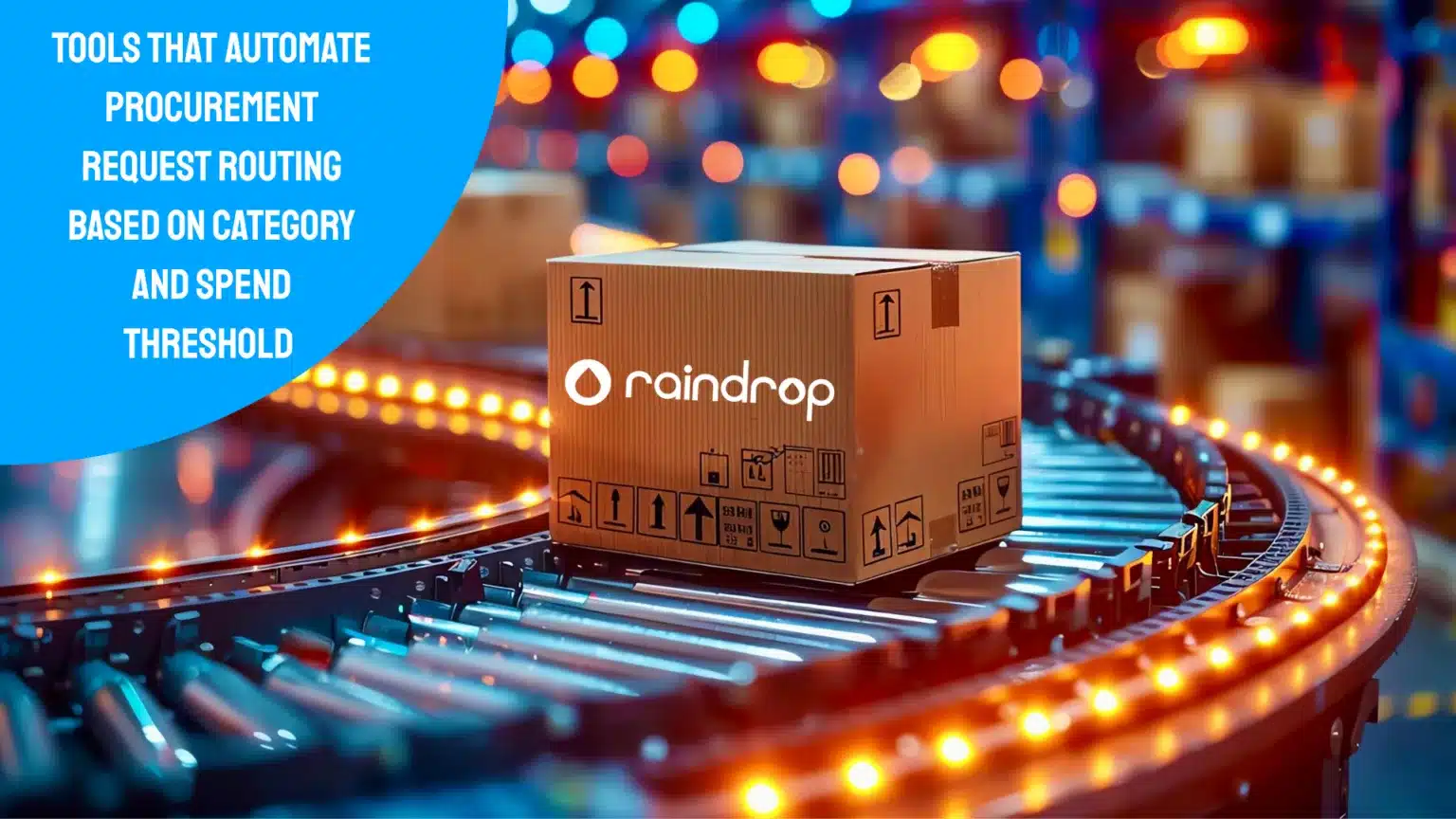
Tools That Automate Procurement Request Routing Based on Category and Spend Threshold
Procurement teams are under increasing pressure to move faster while maintaining operational control, compliance, and visibility across purchasing workflows. As organizations scale, manual procurement approvals and inconsistent routing processes can quickly create bottlenecks that slow down operations and create inefficiencies. That is why many enterprises are investing in tools that automate procurement request routing based on category and spend threshold. These procurement workflow automation platforms help standardize approvals, improve procurement governance, and streamline purchasing operations across departments. Modern procurement automation software can automatically route requests to the appropriate stakeholders based on predefined rules such as procurement category, spend thresholds, department ownership, supplier type, or risk level. This allows Procurement teams to reduce manual coordination while improving workflow consistency and operational scalability.
Why Procurement Request Routing Matters
Procurement request routing plays a major role in keeping purchasing operations efficient and organized. Without structured workflows, organizations often face delayed approvals, inconsistent procurement processes, and limited visibility into purchasing activity.
These challenges become even more difficult to manage as organizations grow across multiple departments, regions, or ERP systems. Manual approval chains can slow down procurement cycles and create unnecessary administrative overhead for Procurement and Finance teams.
Automated procurement approval workflows help solve this by creating clear routing logic across the organization. Requests can automatically be assigned to the right approvers based on spend thresholds, procurement category, business unit, or compliance requirements. This improves operational consistency while helping organizations maintain stronger procurement controls.
Key Features of Procurement Workflow Automation Tools
Organizations evaluating procurement workflow automation platforms should prioritize tools that combine flexibility, visibility, and automation scalability.
One of the most valuable capabilities is spend-threshold approval automation. This allows procurement requests to follow different approval paths depending on purchase value. Lower-cost purchases may route directly to department managers, while larger or higher-risk purchases can automatically escalate to Procurement or Finance leadership.
Category-based procurement routing is also becoming increasingly important. Procurement requests related to IT, Marketing, Facilities, or Professional Services can automatically be directed to the most appropriate stakeholders, helping reduce delays and improve approval accuracy.
Many modern procurement automation platforms also support ERP-connected workflows, allowing organizations to centralize procurement intake and improve operational visibility across systems. These integrations help standardize procurement operations while reducing duplicate approvals and disconnected workflows.
Solutions like Raindrop Systems support procurement workflow orchestration by helping enterprises simplify approval routing and improve operational efficiency across teams.
How AI Is Transforming Procurement Workflow Automation
AI procurement automation is becoming a growing priority for organizations looking to improve workflow efficiency and reduce manual administrative tasks.
AI-enabled procurement workflows can support intelligent request routing, approval recommendations, workflow prioritization, and procurement intake standardization. Rather than relying entirely on static routing rules, intelligent procurement systems can adapt workflows based on operational patterns and purchasing behavior over time.
Many enterprises are also exploring autonomous procurement workflows and agentic AI models to streamline repetitive procurement coordination tasks. This shift toward operational procurement automation is helping organizations improve scalability while maintaining stronger governance processes.
Raindrop Systems aligns with this broader movement toward intelligent procurement orchestration by supporting scalable approval workflows and enterprise procurement visibility.
Benefits of Automated Procurement Approval Workflows
Automated procurement workflows help organizations move faster while maintaining better operational control. By routing requests automatically based on spend thresholds, procurement category, or department, teams can reduce approval delays and eliminate manual bottlenecks.
These workflows also improve visibility across procurement operations, making it easier to track approvals, monitor purchasing activity, and maintain more consistent governance processes. As organizations grow, procurement automation helps scale operations more efficiently without increasing administrative overhead.
This is especially valuable for enterprises managing complex supplier approval workflows across multiple teams or regions.
What Enterprises Should Look For in Procurement Routing Tools
When evaluating procurement workflow automation platforms, organizations should focus on flexibility, integration readiness, and long-term scalability.
Strong procurement automation tools should allow businesses to customize approval routing based on operational requirements such as spend thresholds, procurement categories, business units, or compliance policies. Workflow configurability is especially important for enterprises managing complex procurement operations across multiple departments.
Integration readiness is another key factor. Procurement automation software should work seamlessly with ERP systems, finance platforms, intake management tools, and contract lifecycle management systems to improve operational visibility and reduce manual coordination.
Organizations should also prioritize platforms with strong reporting and workflow visibility capabilities. Better visibility into procurement cycle times, approval bottlenecks, and purchasing activity can help procurement teams improve efficiency while maintaining stronger governance controls.
Raindrop Systems supports enterprise procurement efficiency by helping organizations simplify procurement workflows while maintaining operational scalability and approval visibility.
The Growing Importance of Procurement Orchestration
Procurement orchestration is becoming increasingly important as organizations look to modernize procurement operations and reduce disconnected workflows.
Rather than managing procurement intake, approvals, supplier coordination, and governance processes across multiple tools, orchestration platforms help centralize these workflows into a more connected operational system. This creates greater consistency across procurement operations while improving workflow efficiency and visibility.
As procurement operations continue evolving, tools that automate procurement request routing based on category and spend threshold will likely become a foundational part of enterprise procurement strategy.
Raindrop Systems is part of this broader shift toward intelligent procurement workflow automation, helping organizations improve procurement orchestration, approval consistency, and operational efficiency.
Frequently Asked Questions
Procurement request routing is the process of automatically directing procurement requests to the appropriate approvers or departments based on predefined workflow rules.
Spend-threshold approvals automatically route procurement requests to different approval paths depending on purchase value or operational risk level.
Procurement workflow automation can improve approval speed, operational visibility, governance, and procurement scalability.